Parent Volunteers Are Integral to the Success of Our Library Program
Library volunteers are the BEST!
|
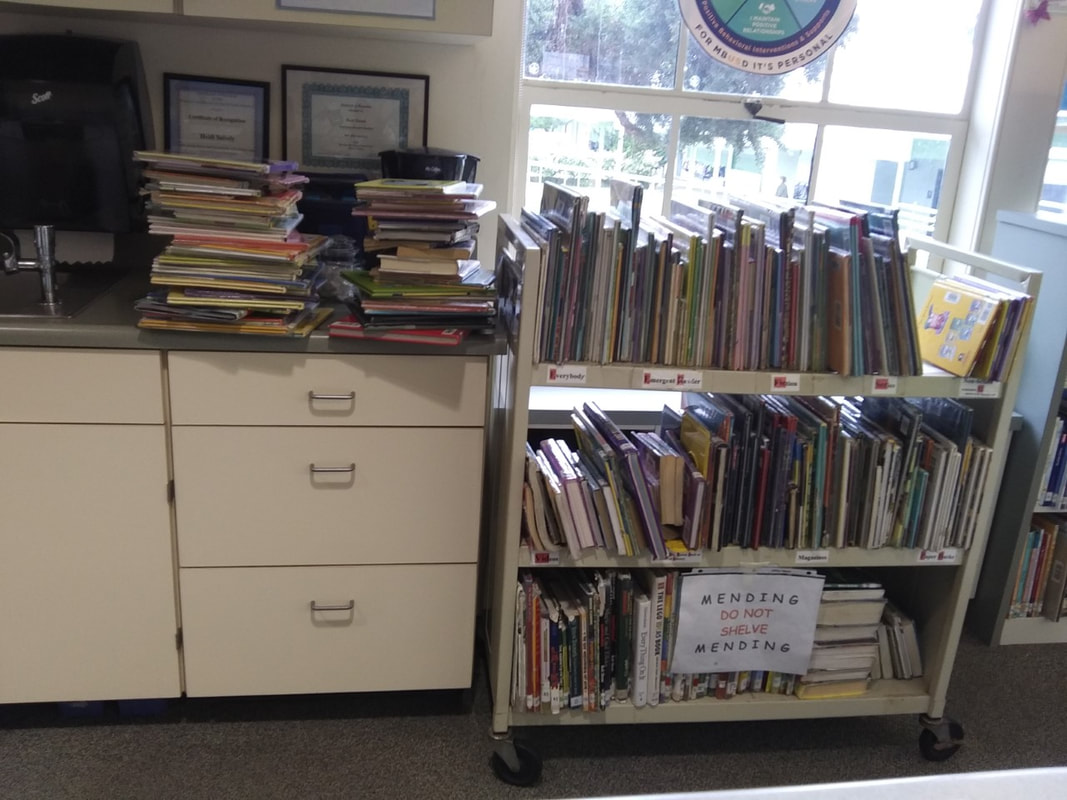
A hot mess without parent help!
|
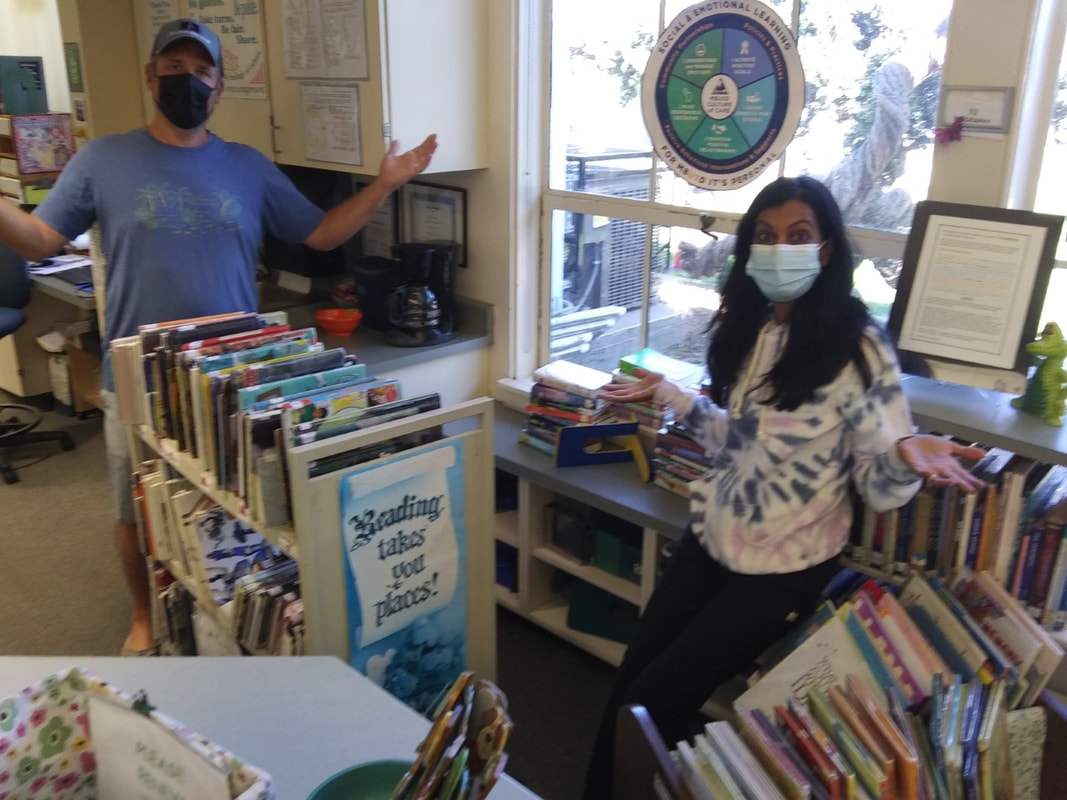
Thank you, Rod and Sandesha!
|
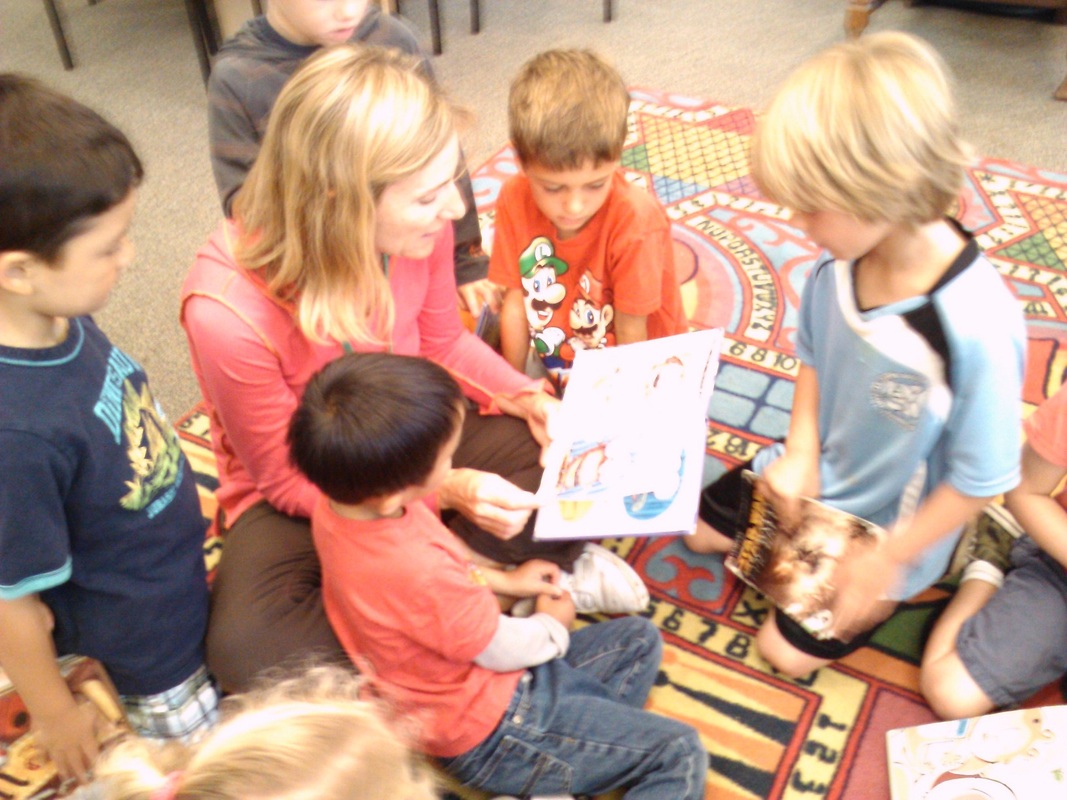
Bea shares a love of reading
|
Your time is valuable! Thank you for spending it in the library!
The Grand View Library is a wonderful, busy place with excellent resources for students, staff, and parents to share. Thank you for your interest in helping our students in the library! Grand View library volunteers are known nationwide! Read the article in School Library Journal. Your active participation shows your children how much you value libraries, books, and reading -- a powerful message! Volunteers will:
The Grand View Library is a wonderful, busy place with excellent resources for students, staff, and parents to share. Thank you for your interest in helping our students in the library! Grand View library volunteers are known nationwide! Read the article in School Library Journal. Your active participation shows your children how much you value libraries, books, and reading -- a powerful message! Volunteers will:
- Perform routine circulation tasks
- Help students locate materials
- Shelve book returns using Dewey Decimal System
- Dust shelves
Annual MBUSD volunteer application (required)
Our parent and community volunteers are a key ingredient in the District’s “secret sauce!” Volunteers are deeply valued for the support and enrichment they provide. To simplify the required annual registration for volunteering, the District has developed an online process through which volunteers can obtain the basic clearance needed to be on campus and/or working with students. All volunteers on campuses need to have a current Tuberculous test/screening on file with the District, and to have registered their fingerprints with MBUSD through Live Scan. To learn more about volunteering and to access the online registration link, please visit the Volunteer Information webpage (click here). If you have any questions, please contact the Principal or the MBUSD Human Resources Department at 310-318-7345 x5951.
Our parent and community volunteers are a key ingredient in the District’s “secret sauce!” Volunteers are deeply valued for the support and enrichment they provide. To simplify the required annual registration for volunteering, the District has developed an online process through which volunteers can obtain the basic clearance needed to be on campus and/or working with students. All volunteers on campuses need to have a current Tuberculous test/screening on file with the District, and to have registered their fingerprints with MBUSD through Live Scan. To learn more about volunteering and to access the online registration link, please visit the Volunteer Information webpage (click here). If you have any questions, please contact the Principal or the MBUSD Human Resources Department at 310-318-7345 x5951.
New library volunteers
- Please email [email protected] to add your name to the list of potential library volunteers
- You will be contacted ASAP about space availability
- Receiving training about library systems and operations is mandatory before reporting for your first shift
- Each session will include a library tour, an introduction to the catalog, a tutorial of the circulation system, and shelving procedures
- Before attending a training session, please read all the info on this page including clicking the links
- Training dates/times TBD
- Experienced library volunteers will be contacted when school starts about interest/availability to help during 2024-25
- Attendance at one of the new volunteer training sessions is optional for returning volunteers
General Duties and Procedures
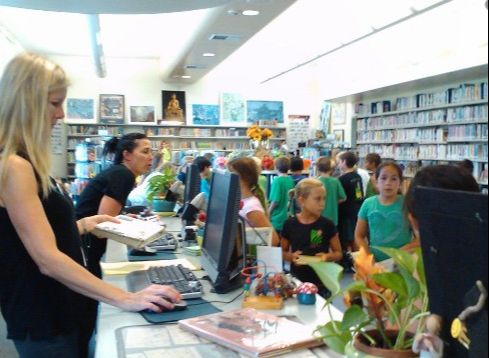
Students visit the library with their class once a week for 45 or 30 minutes. As they enter they return their books for check in or for renewal, then they sit on the story rug for a read-aloud experience, information skills activity, or other presentation. During this time volunteers will:
- check in books
- renew books
- shelve returned items
- check out books
- continue shelving returned items
- neaten shelves by pulling books up to the front of the shelf and checking that books are in exact order
- dust
- other tasks as needed
The Circulation Desk: Where ACCURACY Is More Important than SPEDE
|
|
|
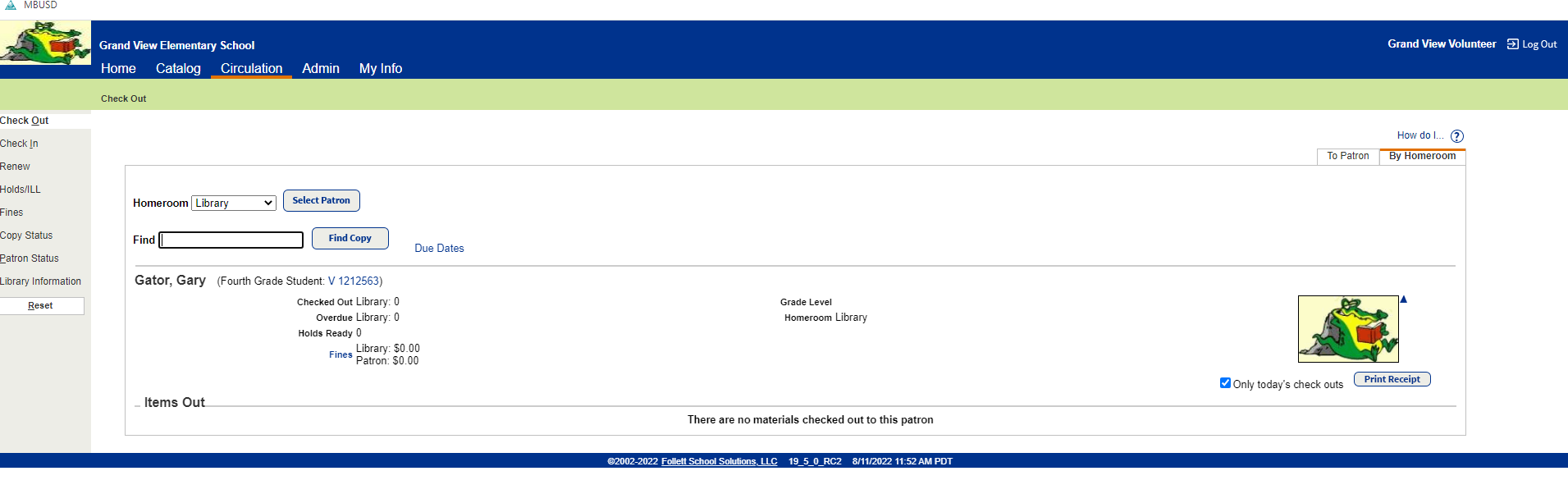
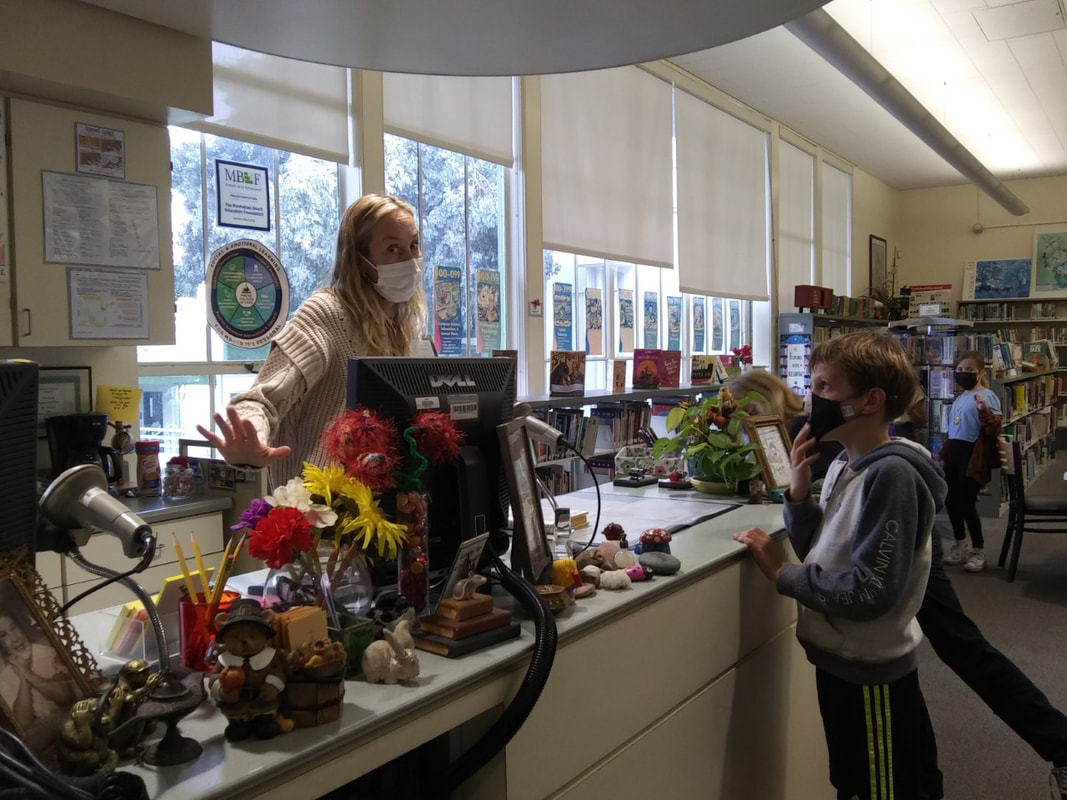
- Check in or renew all items before checking out new materials. Watch the screen during the transaction for accuracy and messages.
- Students may check out the number of items that corresponds to the grade they are in: first graders get one item, second graders get two items, and so on. Kindergarten students check out one book per child to be kept in the classroom, not taken home. Student materials are given a one-week due date using the black ink pad and its stamp.
- Teachers may check out an unlimited number of items. Use the red ink pad and its stamp to indicate a two-week due date.
Learn How to Shelve Library Books
|
|
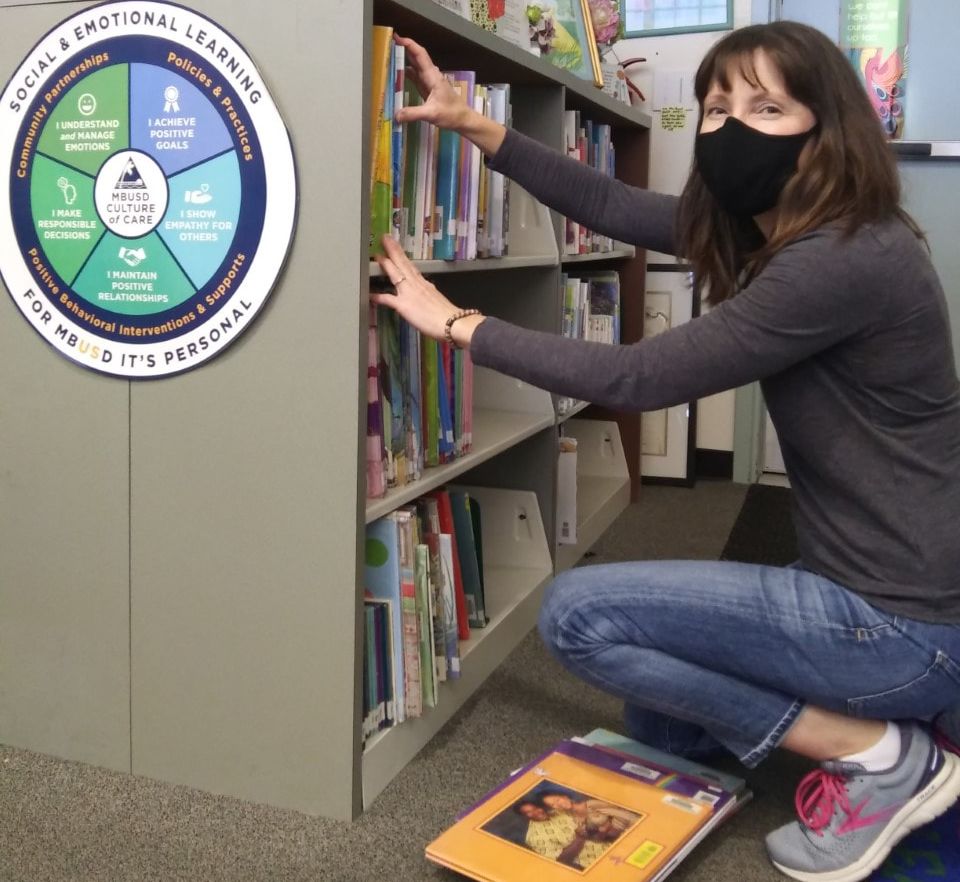
Jessica scans for misfiled books
|
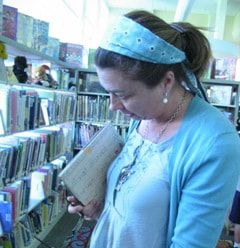
Kelley remembers to take her time
|
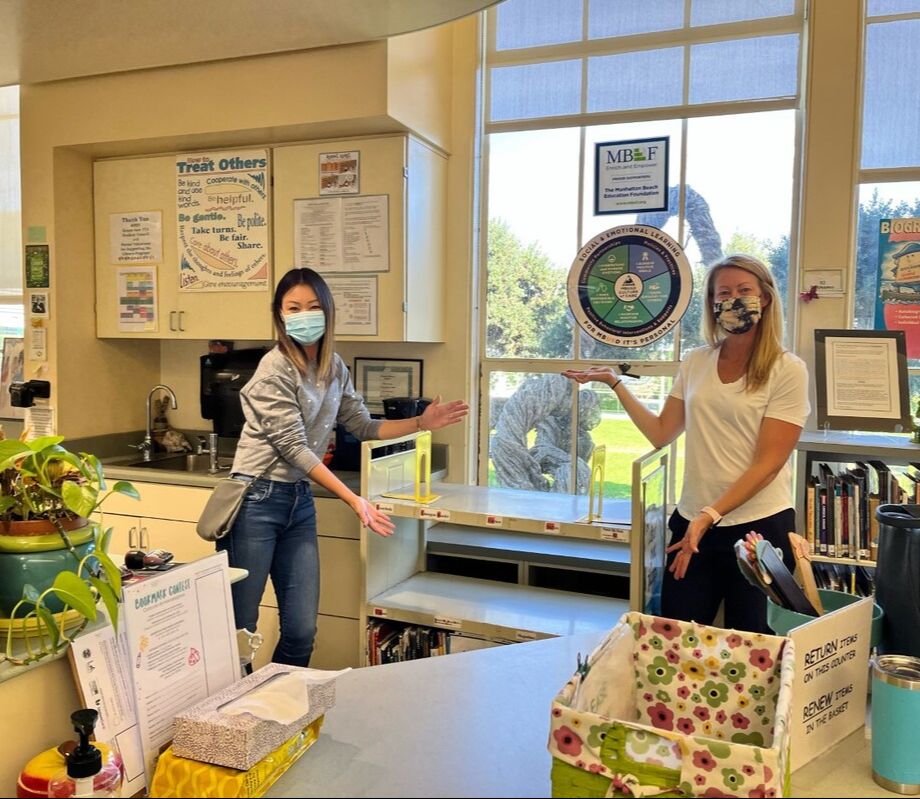
Vivian and Lisa get it done
|
Shelving tips and tricks
This training video was made by the library at Pacific Northwest College of Art.
While we do not do everything the same way they do, it provides good tips and tricks to shelving books efficiently and accurately.
This training video was made by the library at Pacific Northwest College of Art.
While we do not do everything the same way they do, it provides good tips and tricks to shelving books efficiently and accurately.
It is imperative to shelve items correctly
If a book is in the wrong place it's as good as lost. Ask for help if you are not sure where something goes.
If a book is in the wrong place it's as good as lost. Ask for help if you are not sure where something goes.
- Check surrounding "end of range" points to determine the proper shelf
- Then scan the shelf for misfiled books. Items that are only slightly out of place can be immediately put in order.
- Items that are "far from home" should be brought to Mrs. Snively's attention. They may have been marked as missing.
- Ask about procedures for current displays or sections that change
- Ask before shifting books
- Shelving guidelines
- Dewey Decimal chart
- The Caveman's Guide to the Dewey Decimal System (thank you, Mount Erie Elementary, Anacortes, WA)
- Color-coded Grand View library map | black and white version
- Follett Destiny catalog (classic interface)
- Follett Destiny Discover catalog (new interface)
A Little More to Know
- If you are unable to make it to a shift, you do not need to find a replacement; an email letting me know is appreciated
- Silence your phone while volunteering at school
- Respect privacy and student confidentiality
- Assist all students; avoid focusing exclusively on your own child
- Time spent helping should not be seen as a chance to talk to the teacher about your child; make arrangements for a conference
- While checking out books, engage with the student in front of you, rather than chatting with the parent who may be working alongside you. Make a positive comment about their book selection, or other affirming statement.
- Straightening means to make sure the books are lined up at the front edge of the shelf for an overall neat appearance.
- Organizing means to make sure each book is shelved exactly by it's call number. A daily organizing chart is posted so all areas will benefit from this service.
- Cleaning means to dust the shelves, even behind the books. Dusting is not any more fun here than it is at home, but it is an important task. Supplies are under the sink.
The Library and The Three Bears Philosophy
|
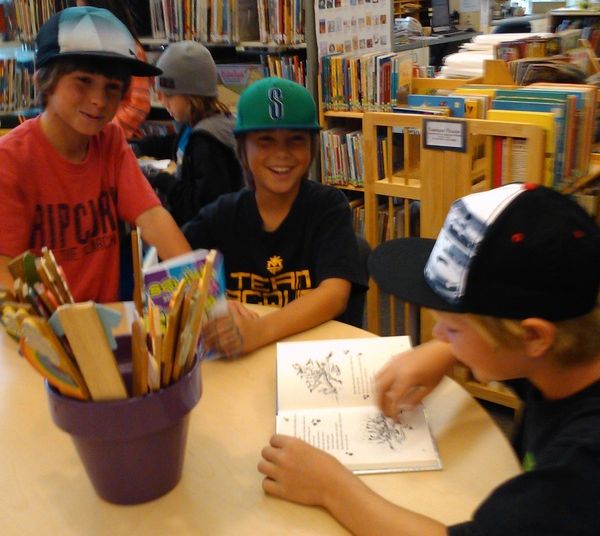
Porridge. Chairs. Beds. Books. The Three Bears Philosophy and Reading.
The goal is for students to have a positive experience in the library in order to foster a love of reading and to complement classroom instruction. The library is where YES happens and where learners can exercise personal choice. |
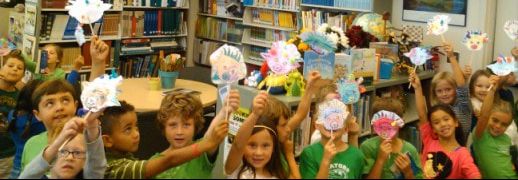
Three Cheers for Volunteers!
|

|
Your time is valuable! Thank you for spending it in the library!